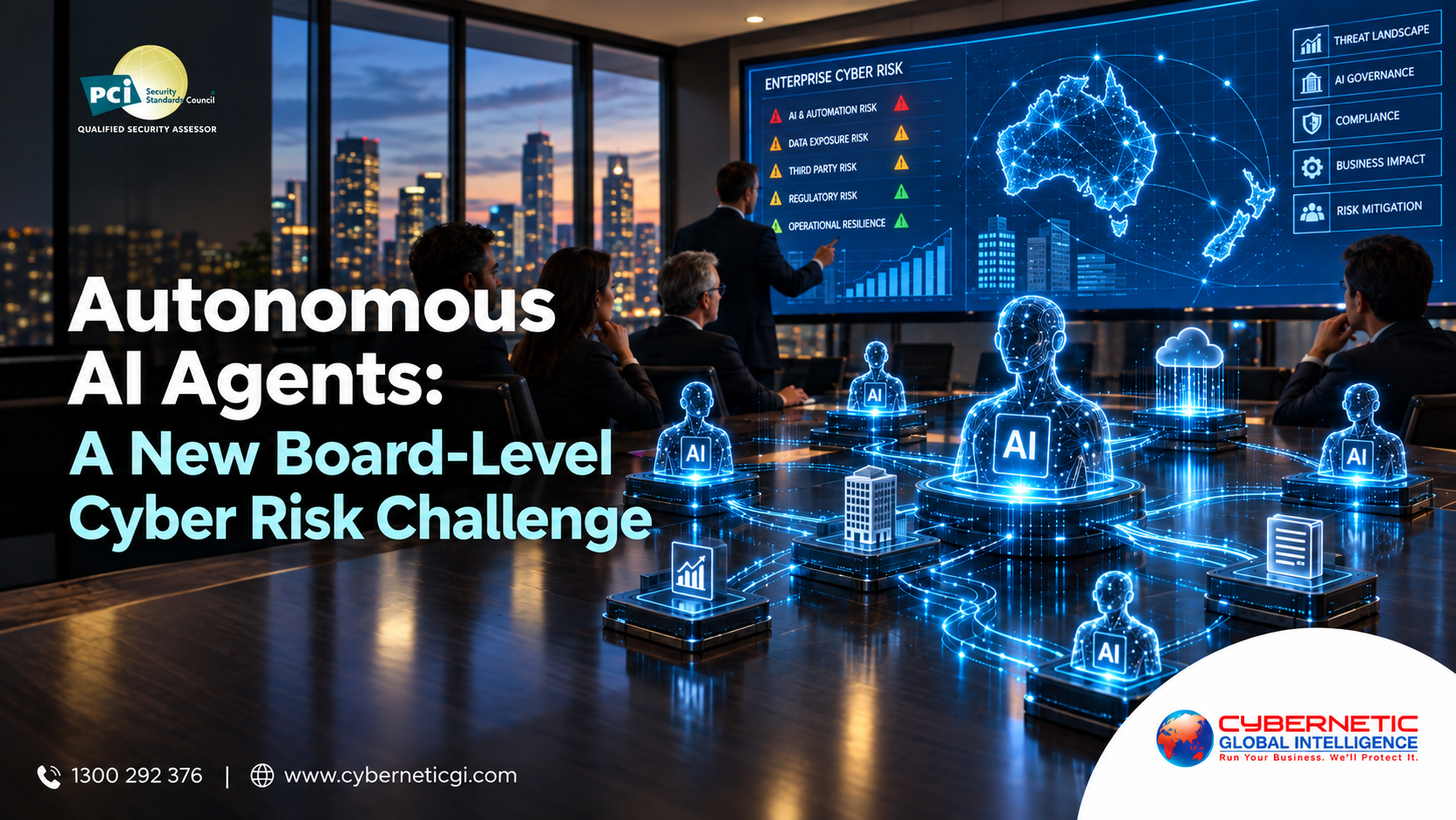
For many boards, artificial intelligence risk has largely been viewed as a question of policy, ethics, and responsible adoption. That conversation now needs to expand. The emergence of autonomous AI agents introduces a more immediate operational concern: what happens when...

When a cyber incident occurs, technical teams carry much of the immediate operational workload. But oversight of material cyber risk cannot simply be delegated. Boards and executive leaders need to know whether the organisation can identify an incident, escalate it...
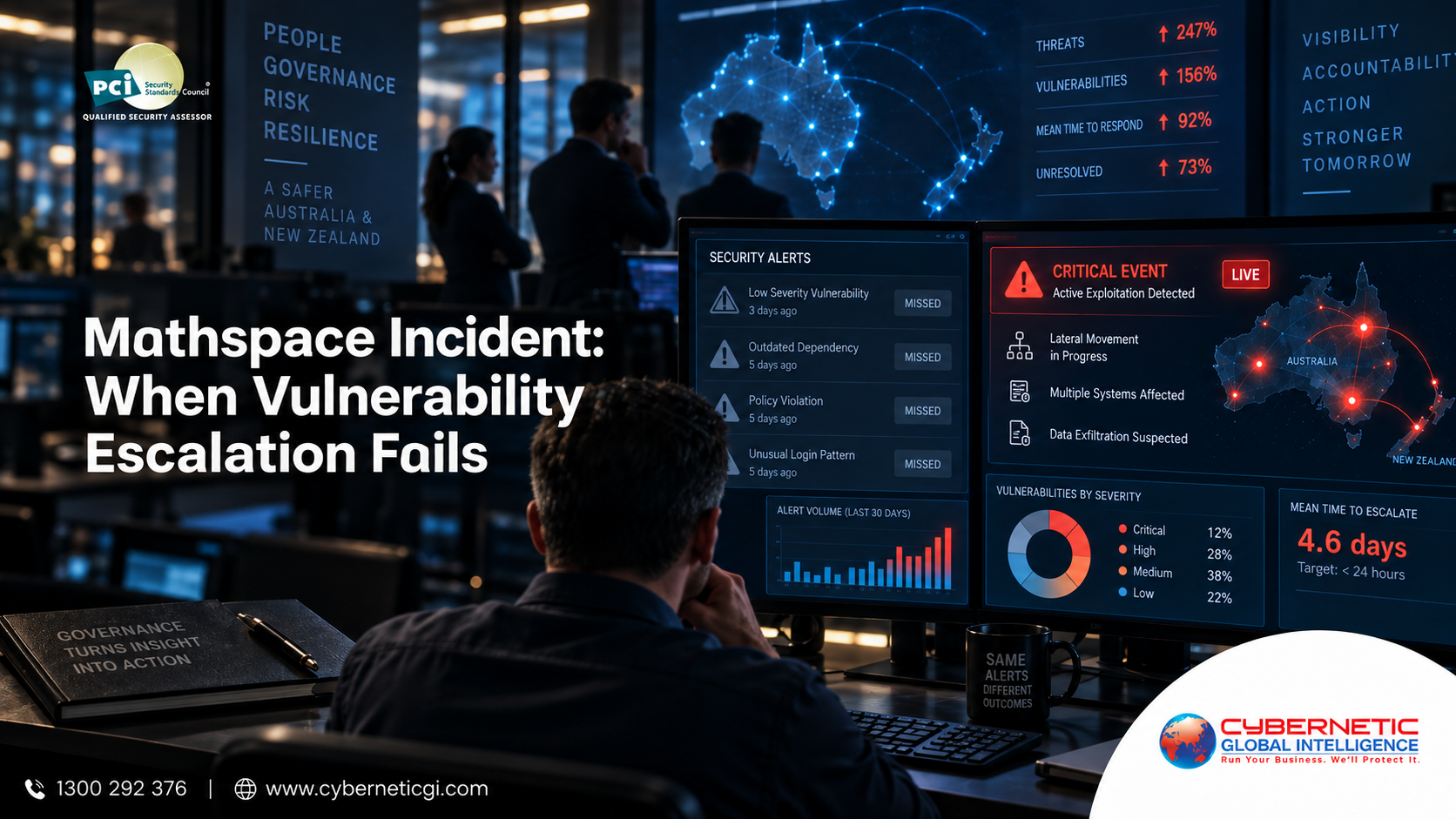
A critical vulnerability does not become a governance issue only when an attacker exploits it. The governance issue begins earlier: when an organisation cannot prove that security advisories are identified, assigned, escalated and remediated within defined timeframes. That is the...

When ransomware disrupts a hospital's operation, the impact can quickly extend beyond technology into patient care, clinical operations, privacy, legal exposure and public confidence. The first 72 hours often determine how effectively reporting, clinical continuity and executive escalation are managed,...
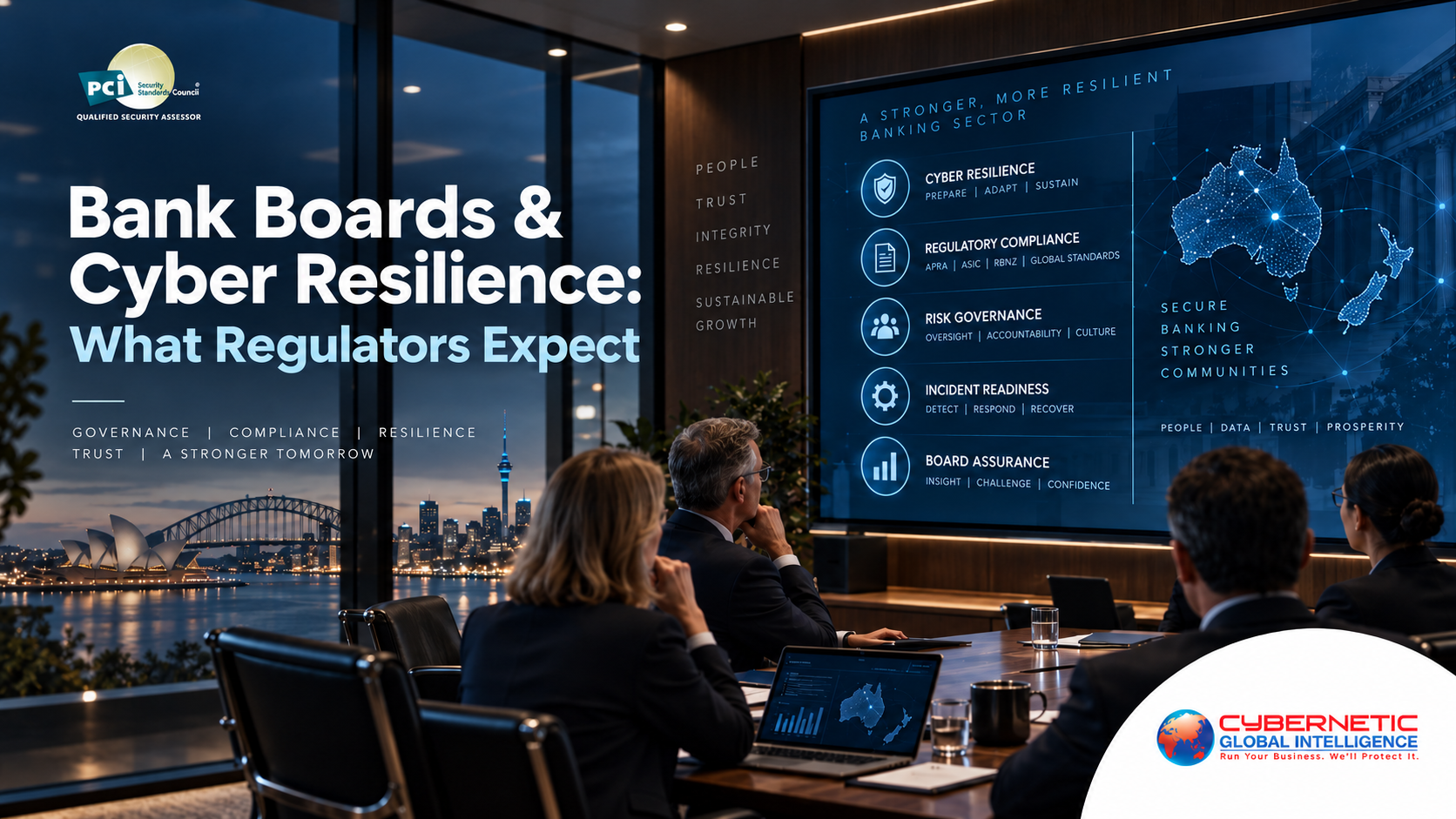
Across Australia and New Zealand, cyber resilience is increasingly a governance issue, not simply a technology issue. For bank boards, knowing that controls exist is no longer enough. The more important question is whether directors can demonstrate that critical operations,...
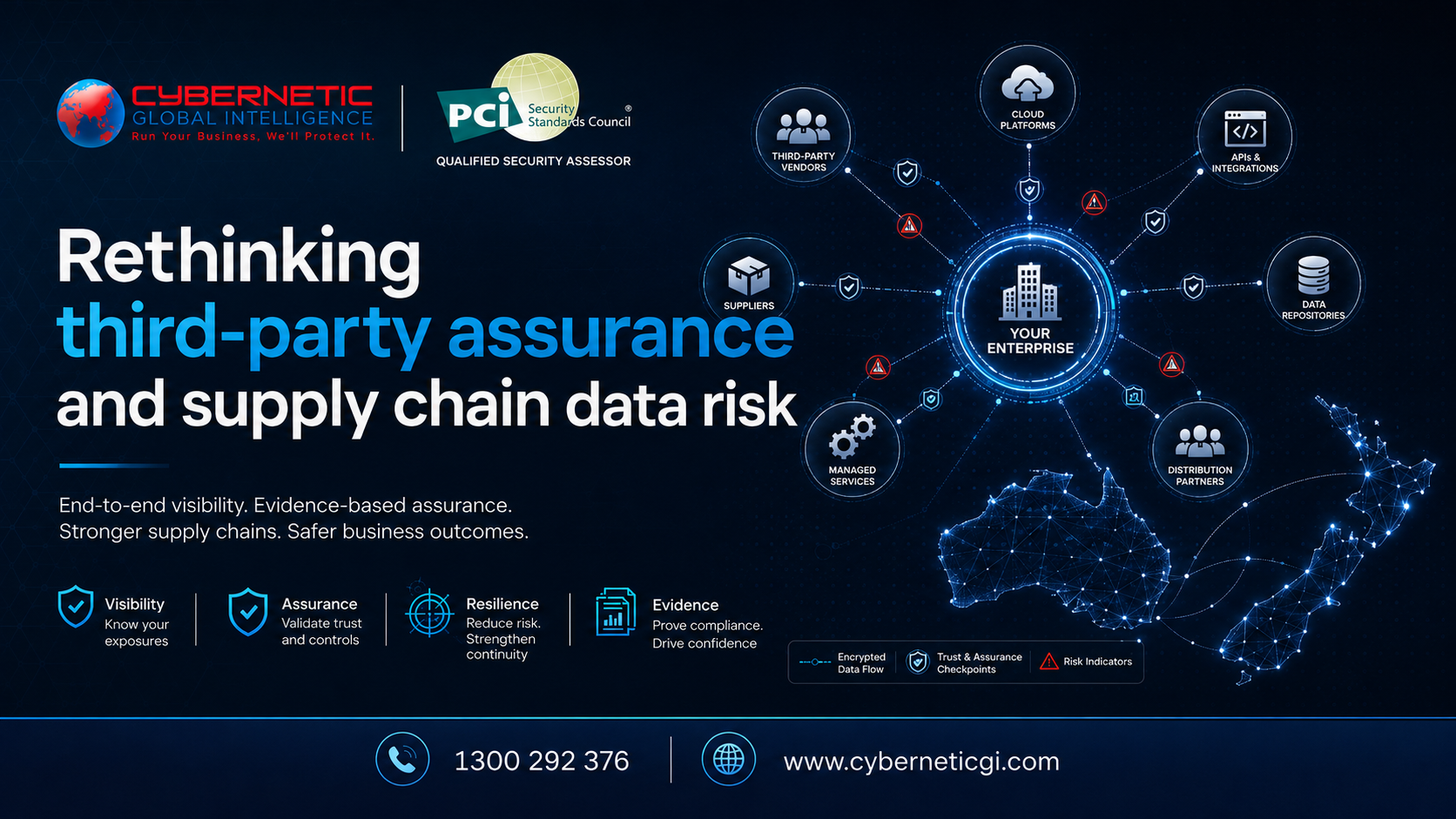
The moment customer data moves beyond your immediate operational environment, governance becomes more complex. Australian and New Zealand organisations routinely rely on external providers for customer service, technology operations, cloud platforms, and specialised business processes. Those arrangements may improve efficiency,...
Treating corporate defence as a discretionary cyber security expense rather than a core operational baseline creates an unacceptable structural liability for industrial supply chains. When corporate boards rely on unverified assumptions regarding their defensive capabilities, they expose their entire production...