A cyber incident can do more than disrupt systems. In healthcare, it can interrupt treatment, delay procedures, strain communication, and create uncertainty for patients and providers alike. That is exactly what happened when private healthcare provider IntraCare disclosed a cyber...
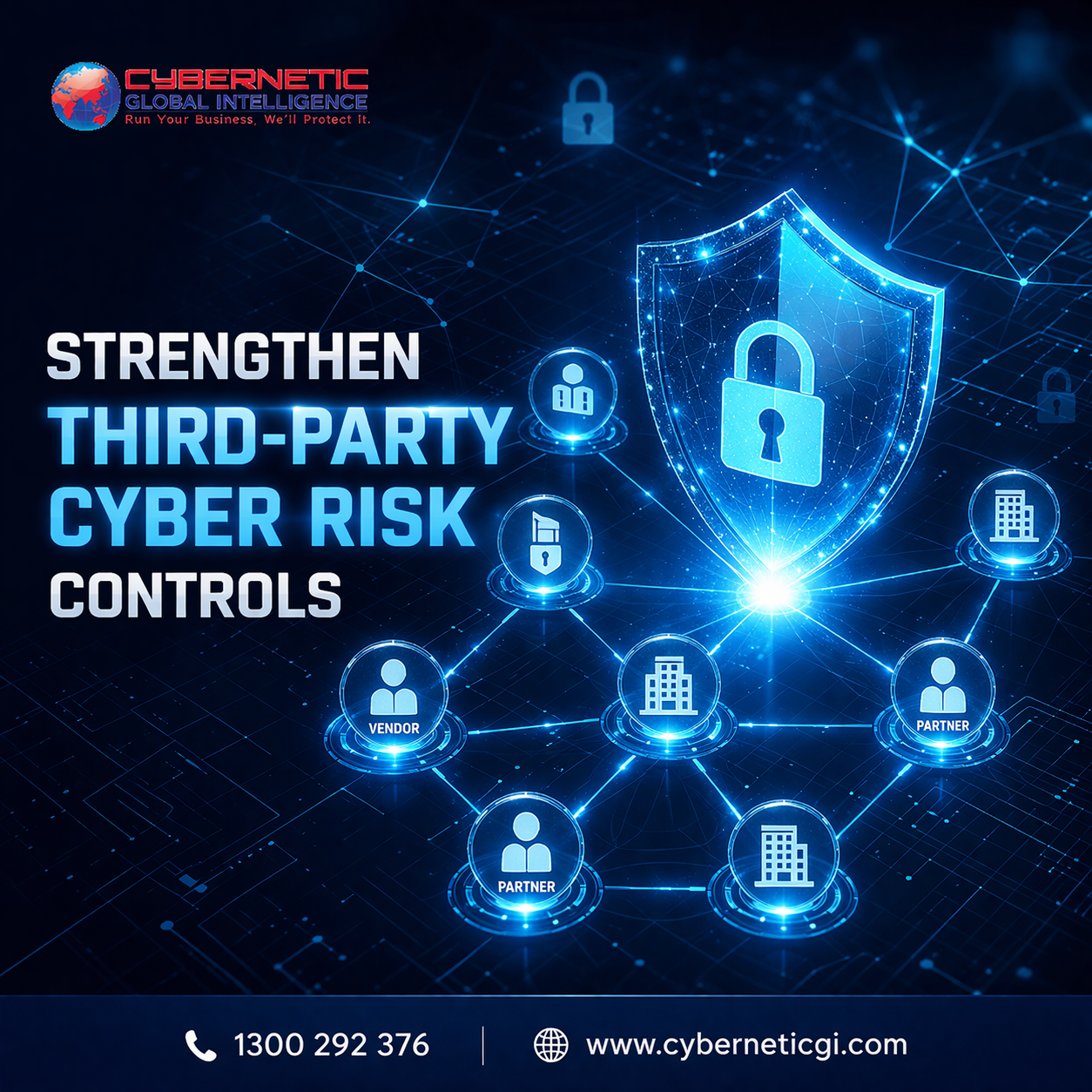
Third parties help organisations move faster. They support IT, finance, software delivery, procurement, customer service, and day-to-day operations. But every outside vendor, consultant, contractor, or service provider also adds risk. This risk grows when third parties can access systems, data,...
A major cyber incident at a medical technology company, Stryker has become more than a headline. It is now a practical lesson in how fast a cyberattack can spill across business operations, staff access, supply chains, and customer confidence. On...
CEO CYBER SECURITY ALERT BULLETIN Global Conflict Escalation – Immediate Cybersecurity Review Required for Organisations in Australia, New Zealand, the Pacific and Global Markets Issued for: CEOs, Board Directors, CIOs, CISOs and Business Leaders Region: Australia | New Zealand |...
The modern Olympic Games run on a vast and complex digital backbone. Behind every race result, ticket scan, and live broadcast sits a network of timing systems, media platforms, athlete databases, and stadium technologies. Millions of fans, broadcasters, officials, and...

Global tensions continue to shift. Political disagreements, economic pressure, and military conflicts create uncertainty across regions. These developments often extend beyond diplomacy and trade, influencing cyber activity. Hacktivist groups and politically motivated attackers often respond to these tensions. They may...
In the past decade, cyber-attacks have evolved from isolated criminal incidents into strategic tools used in geopolitical conflict. Governments now deploy sophisticated cyber operations to disrupt infrastructure, steal sensitive intelligence, and influence global markets. Recent cyber activity associated with Iran...
You hear it in boardrooms, in budget meetings, and in “quick updates” before the next agenda item: “We’ve never been attacked before.” It sounds calm, feels reassuring, and also signals a blind spot: the business is measuring risk by what...
Most businesses set aside funds for firewalls, endpoint tools, and cyber insurance. They feel covered because the line items look solid on a budget sheet. It gives a sense of control and planning. In reality, the hidden costs of a...
AI is no longer a side project but a part of our daily work. People use generative tools to write, summarise, code, and analyse. Teams connect AI apps to SaaS platforms, cloud services, endpoints, and email. Some workflows now run...