
When a cyber incident occurs, technical teams carry much of the immediate operational workload. But oversight of material cyber risk cannot simply be delegated. Boards and executive leaders need to know whether the organisation can identify an incident, escalate it...

Executive confidence is often built on policies, frameworks, and reporting dashboards. A board approves an information security strategy. Leadership reviews risk indicators. Security committees receive regular updates. However, documented controls do not always reflect operational reality. Security policies must operate...
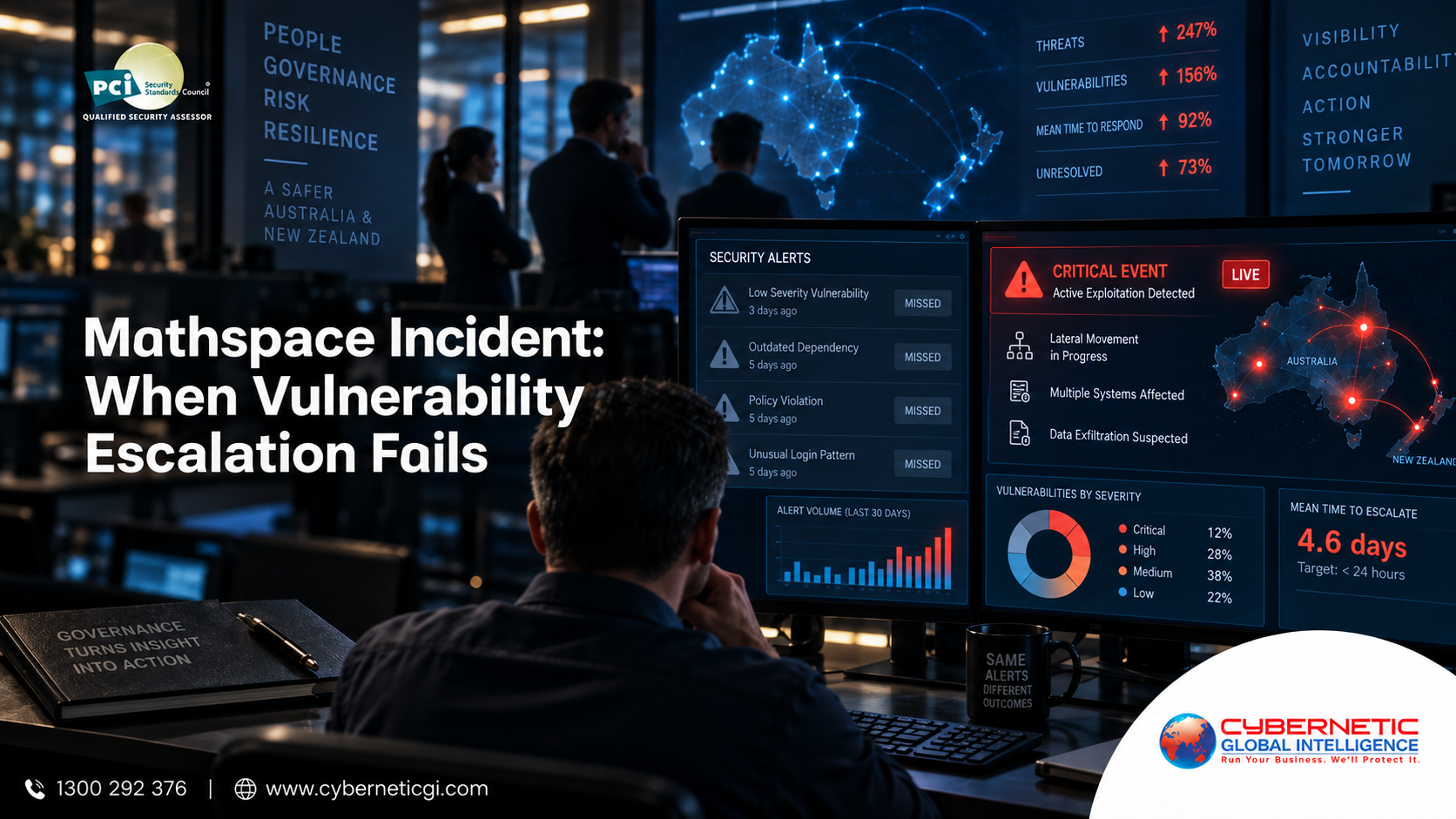
A critical vulnerability does not become a governance issue only when an attacker exploits it. The governance issue begins earlier: when an organisation cannot prove that security advisories are identified, assigned, escalated and remediated within defined timeframes. That is the...

When ransomware disrupts a hospital's operation, the impact can quickly extend beyond technology into patient care, clinical operations, privacy, legal exposure and public confidence. The first 72 hours often determine how effectively reporting, clinical continuity and executive escalation are managed,...
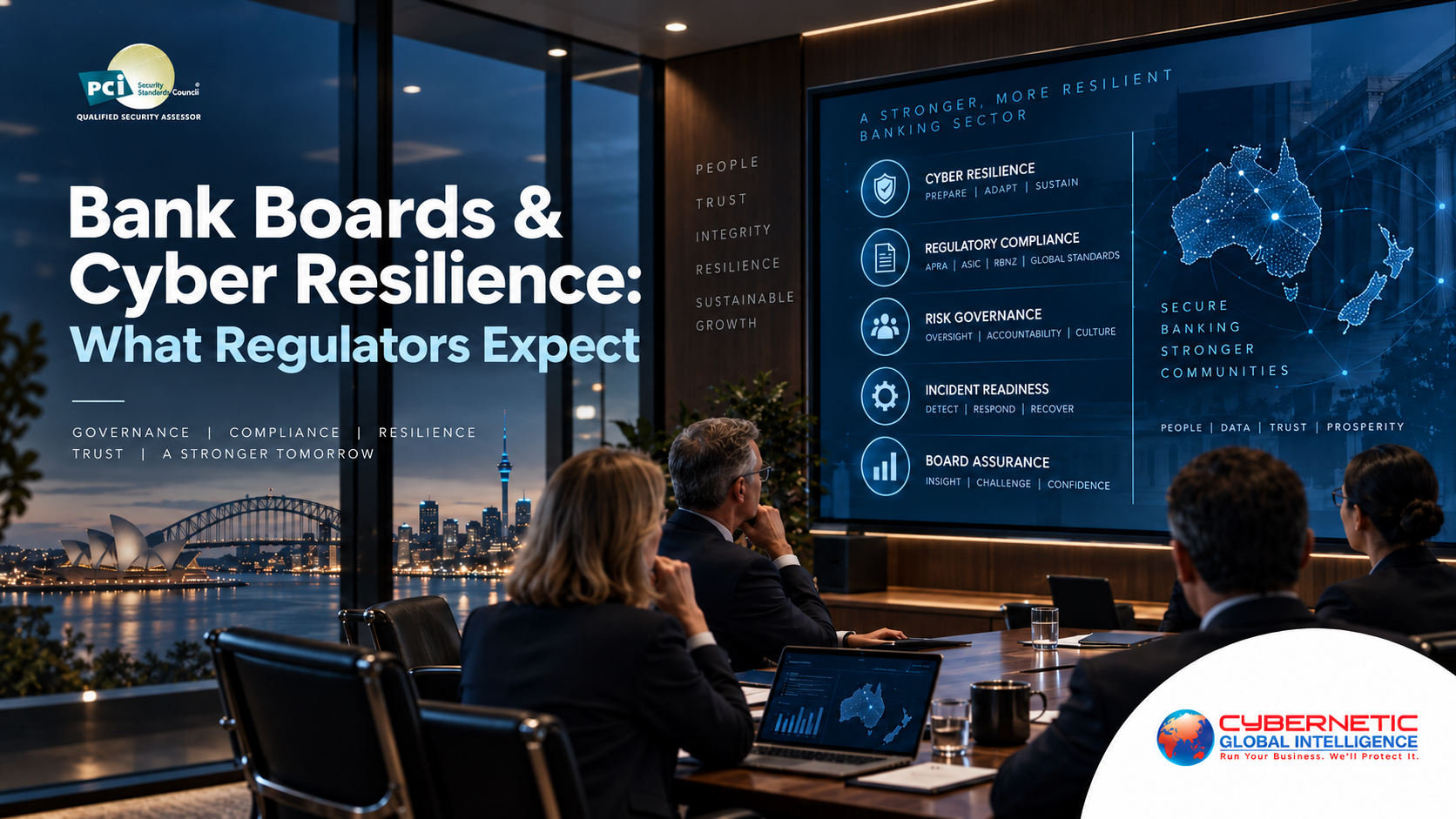
Across Australia and New Zealand, cyber resilience is increasingly a governance issue, not simply a technology issue. For bank