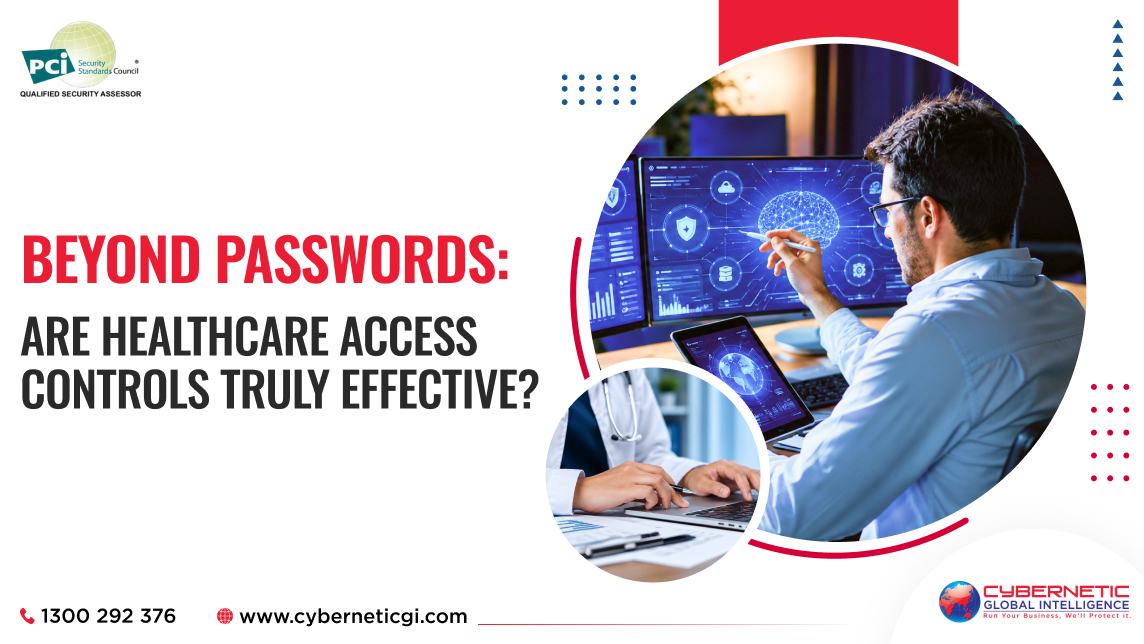
Many healthcare organisations operate under an assumption that strong passwords, multi-factor authentication, and documented access policies represent effective access governance. However, authentication is only the first step. For healthcare organisations across Australia and New Zealand, the governance challenge extends beyond...
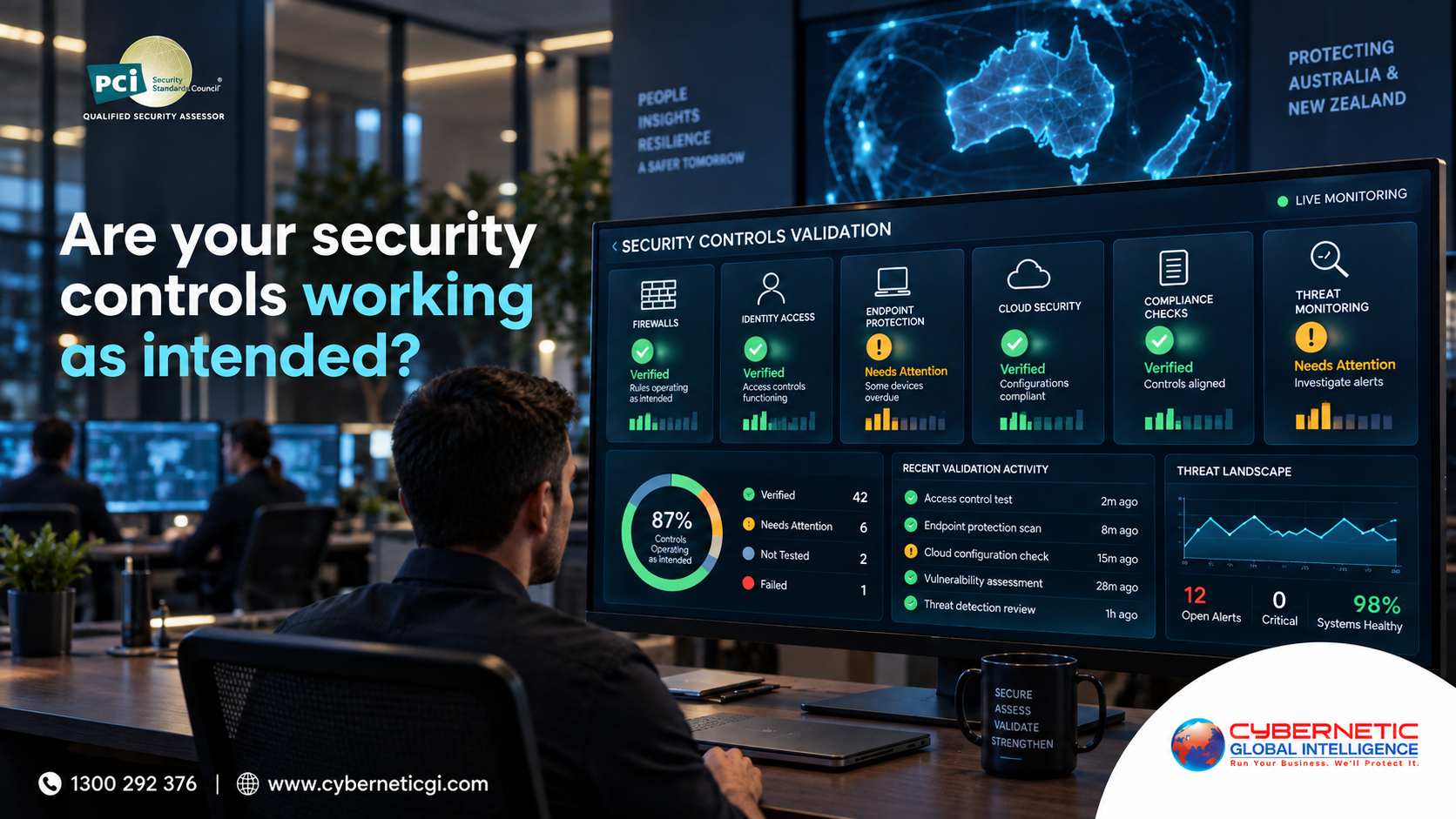
Executive confidence is often built on policies, frameworks, and reporting dashboards. A board approves an information security strategy. Leadership reviews risk indicators. Security committees receive regular updates. However, documented controls do not always reflect operational reality. Security policies must operate...

Temporary Wi-Fi, connected CCTV, cloud project platforms and digital access systems are changing the risk profile of construction projects. The security perimeter no longer stops at the head office. It now extends to the active construction site, where security increasingly...

Ask a CISO for an inventory of corporate laptops and the answer may be available within minutes. Ask the same organisation to account for every industrial controller, undocumented switch, legacy gateway and temporary wireless device operating across a factory floor,...
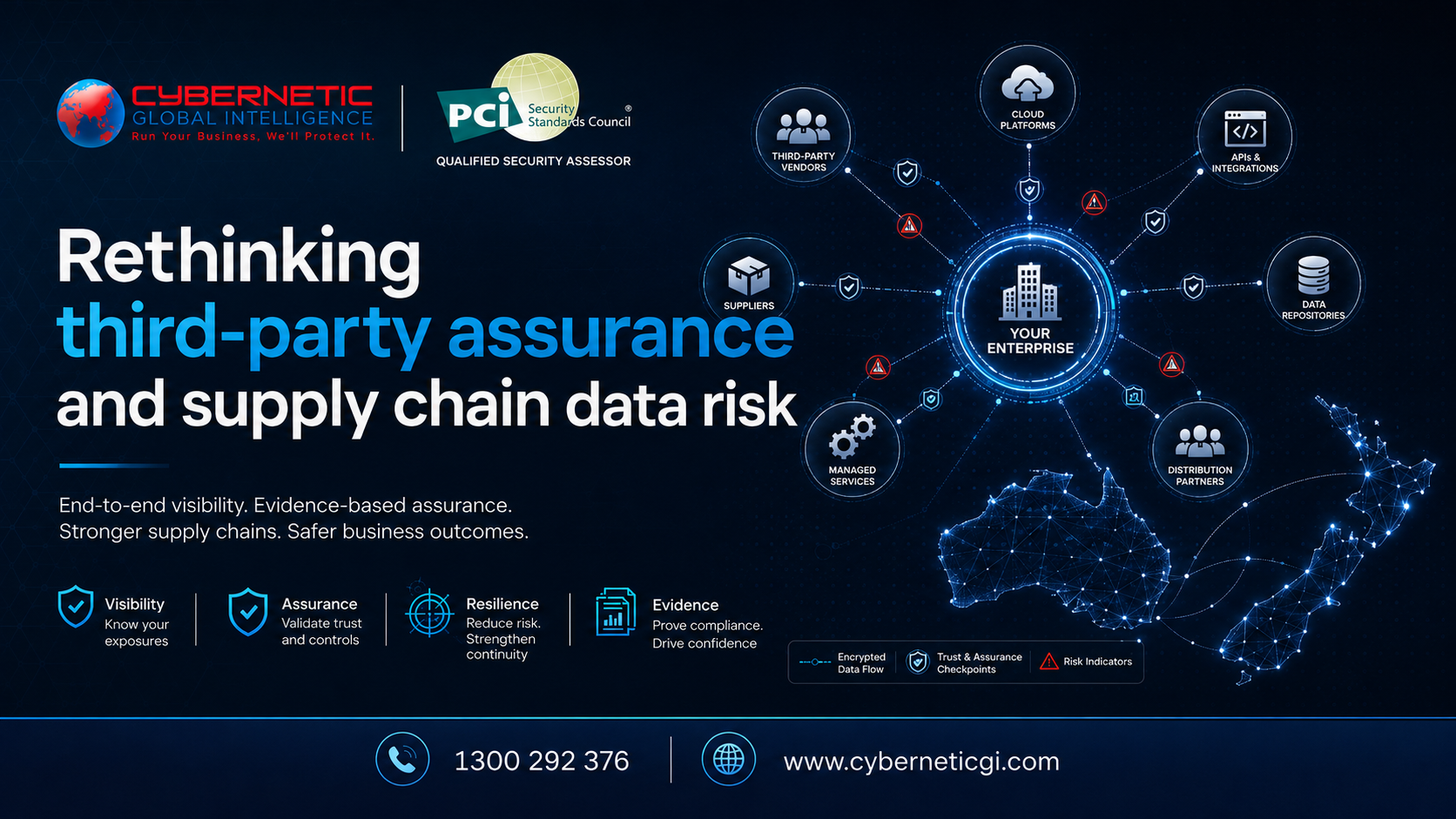
The moment customer data moves beyond your immediate operational environment, governance becomes more complex. Australian and New Zealand organisations routinely rely on external providers for customer service, technology operations, cloud platforms, and specialised business processes. Those arrangements may improve efficiency,...
Accounting firms hold some of their clients' most sensitive financial, tax and personal information. Yet access to that information rarely sits with employees alone. Contractors, external specialists and client users may all require access across different systems, often for different...

For critical infrastructure organisations, maintaining an asset register is necessary. However, the register alone does not show whether critical systems are accurately classified, monitored, securely configured and covered by effective access controls. That limitation becomes more serious as environments change....