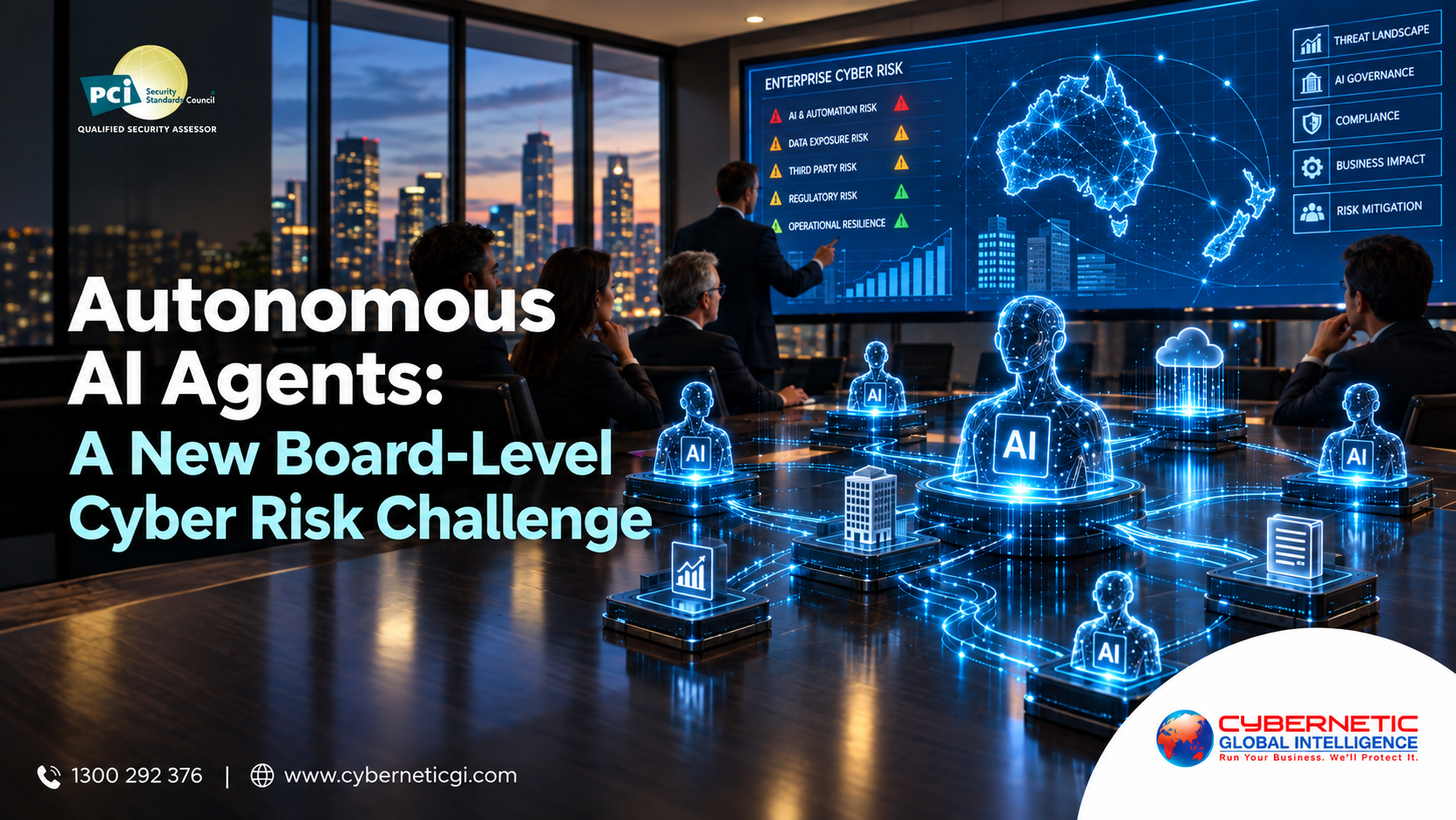
For many boards, artificial intelligence risk has largely been viewed as a question of policy, ethics, and responsible adoption. That conversation now needs to expand. The emergence of autonomous AI agents introduces a more immediate operational concern: what happens when...

When ransomware disrupts a hospital's operation, the impact can quickly extend beyond technology into patient care, clinical operations, privacy, legal exposure and public confidence. The first 72 hours often determine how effectively reporting, clinical continuity and executive escalation are managed,...
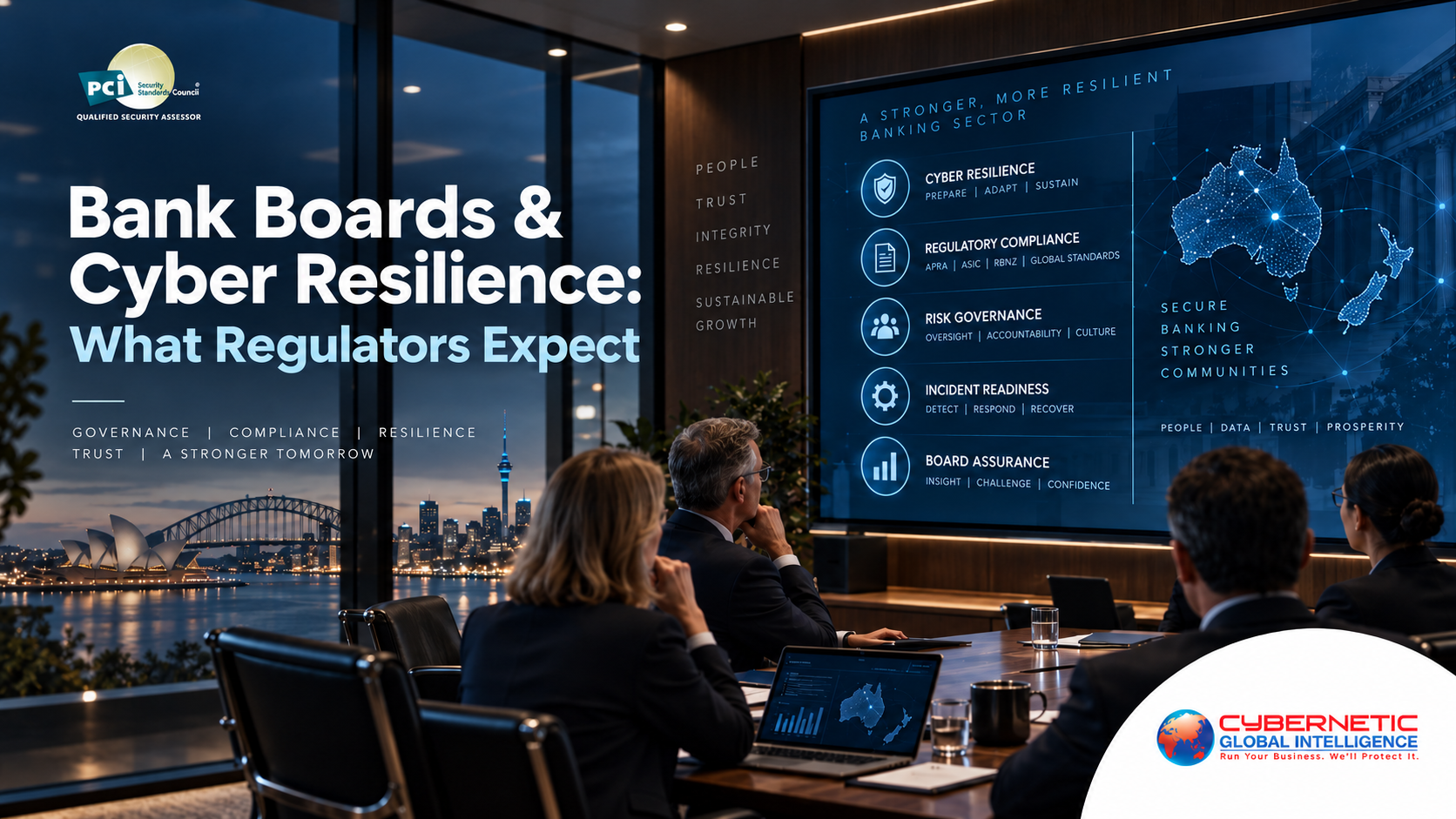
Across Australia and New Zealand, cyber resilience is increasingly a governance issue, not simply a technology issue. For bank boards, knowing that controls exist is no longer enough. The more important question is whether directors can demonstrate that critical operations,...
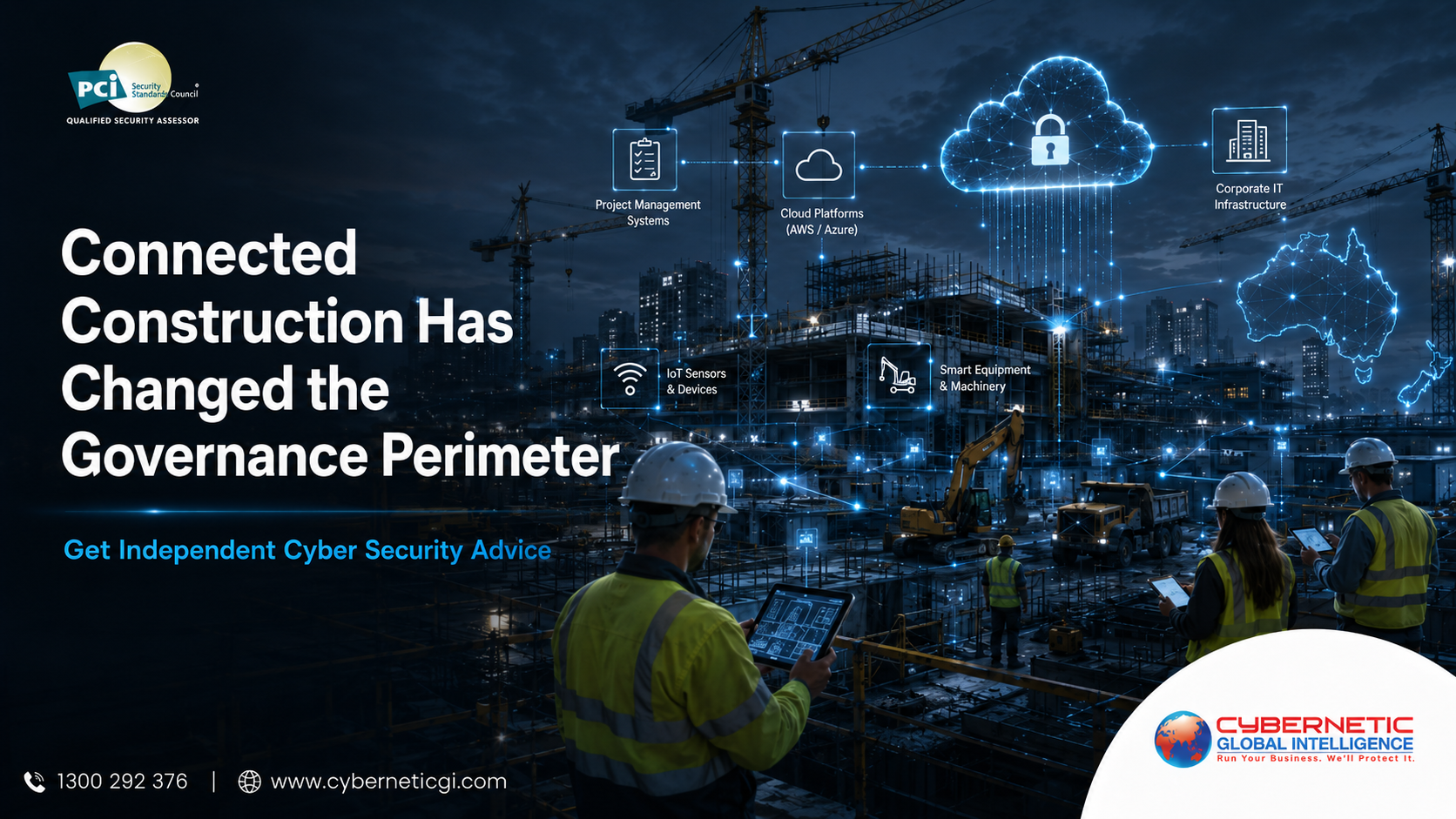
Temporary Wi-Fi, connected CCTV, cloud project platforms and digital access systems are changing the risk profile of construction projects. The security perimeter no longer stops at the head office. It now extends to the active construction site, where security increasingly...
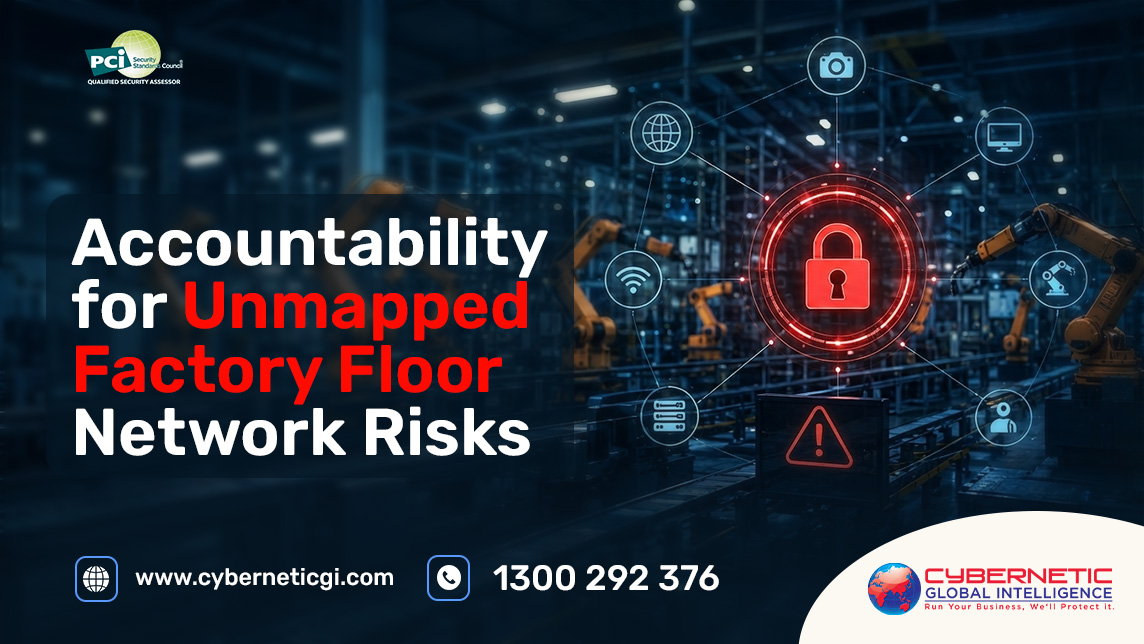
Ask a CISO for an inventory of corporate laptops and the answer may be available within minutes. Ask the same organisation to account for every industrial controller, undocumented switch, legacy gateway and temporary wireless device operating across a factory floor,...
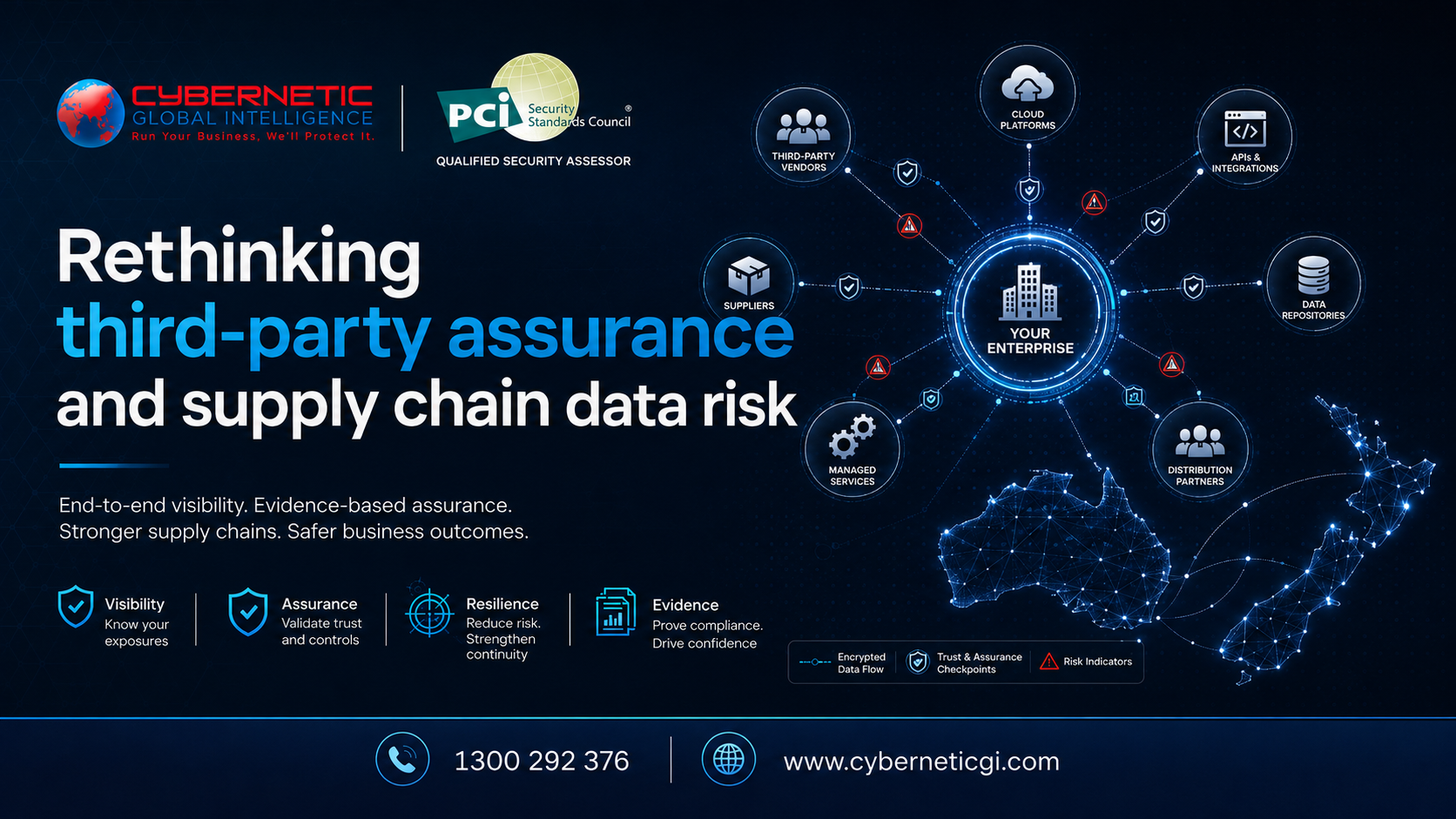
The moment customer data moves beyond your immediate operational environment, governance becomes more complex. Australian and New Zealand organisations routinely rely on external providers for customer service, technology operations, cloud platforms, and specialised business processes. Those arrangements may improve efficiency,...
Accounting firms hold some of their clients' most sensitive financial, tax and personal information. Yet access to that information rarely sits with employees alone. Contractors, external specialists and client users may all require access across different systems, often for different...