Many companies are blindly following the bandwagon of including AI extensively in their operations to cut costs without adequately focusing on the safeguards to manage it effectively. However, adopting AI without strict control is a recipe for disaster that can...

Recently, the Australian Signals Directorate sounded an alarm on a severe remote code execution vulnerability that impacts PHP worldwide, dubbed PHP2Shell. It allows attackers a high chance of hijacking web applications. This, in turn, can give them full control of...

Recently, we helped one of our clients avoid falling prey to a fraudulent payment request. This whole thing started on a Tuesday morning, when an invoice arrived in the company’s inbox. There was nothing out of the ordinary about it....
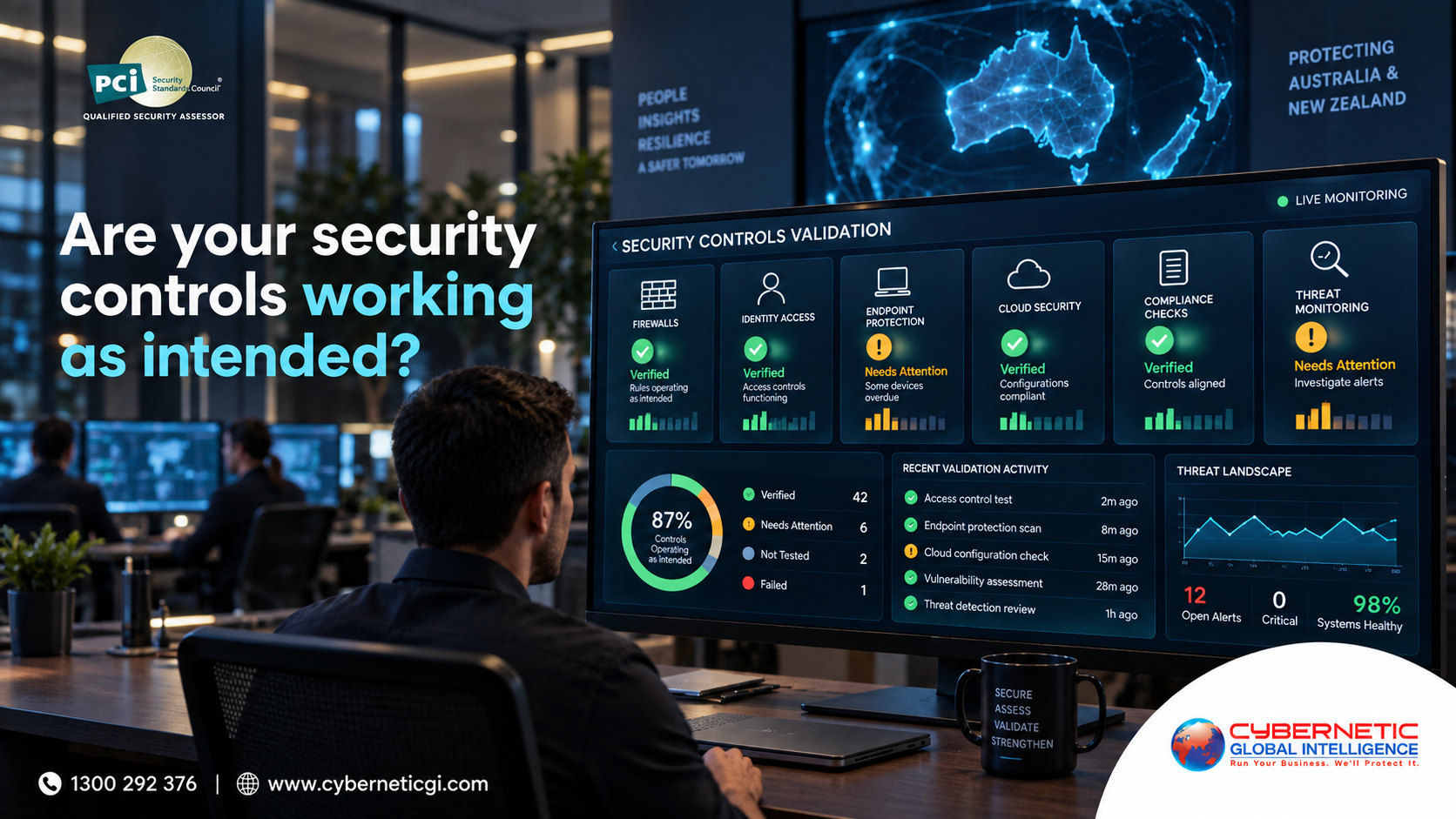
Executive confidence is often built on policies, frameworks, and reporting dashboards. A board approves an information security strategy. Leadership reviews risk indicators. Security committees receive regular updates. However, documented controls do not always reflect operational reality. Security policies must operate...
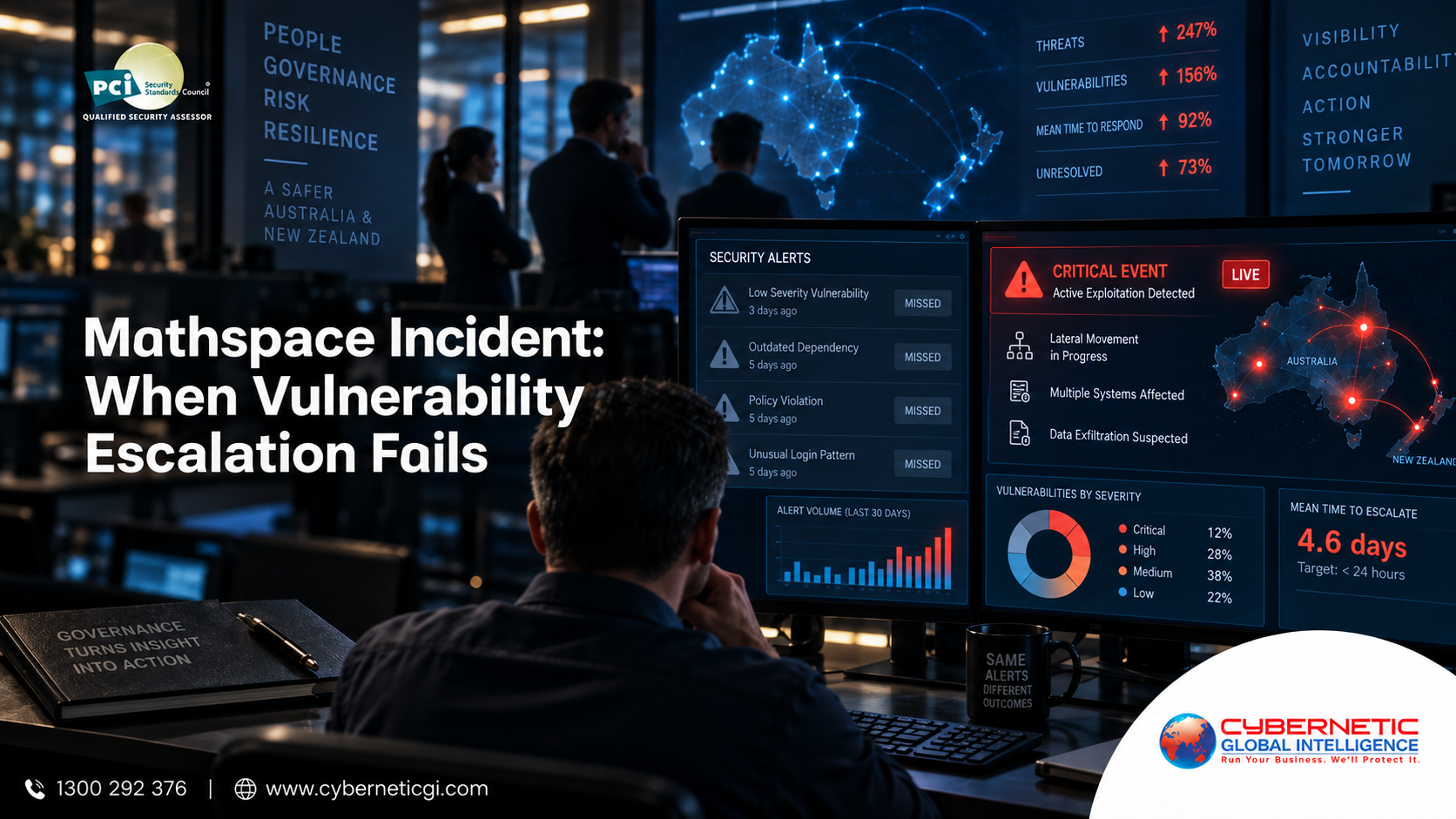
A critical vulnerability does not become a governance issue only when an attacker exploits it. The governance issue begins earlier: when an organisation cannot prove that security advisories are identified, assigned, escalated and remediated within defined timeframes. That is the...

When ransomware disrupts a hospital's operation, the impact can quickly extend beyond technology into patient care, clinical operations, privacy, legal exposure and public confidence. The first 72 hours often determine how effectively reporting, clinical continuity and executive escalation are managed,...
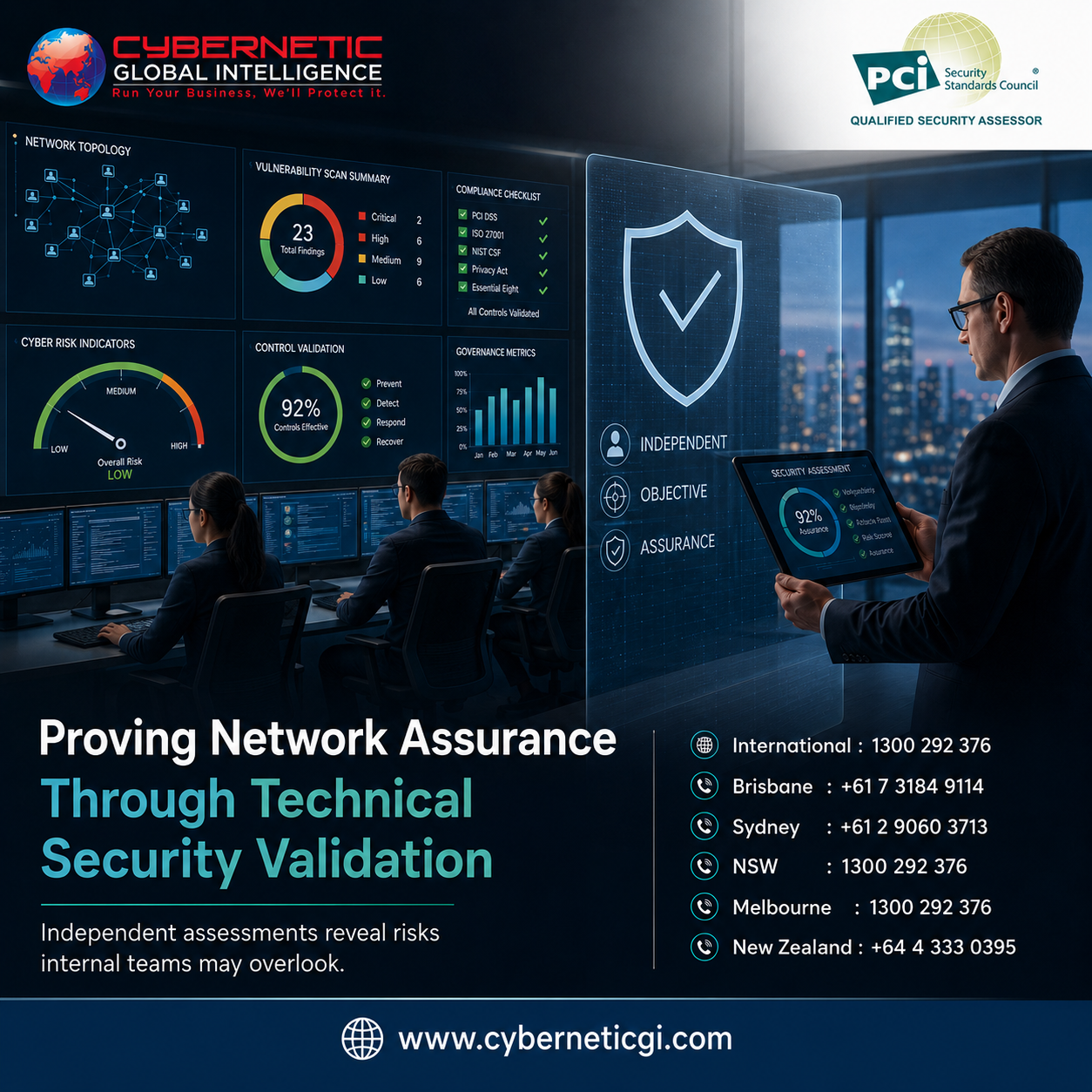
Risk committees often assume routers and firewalls are secure once deployed, patched, and logged in the risk register. But network devices are control points, not static assets, they drift from approved baselines through firmware age, legacy services, exposed management interfaces,...